Human virtual assistant services are defined as support offered by skilled professionals who manage various administrative tasks remotely. In contrast to AI-powered assistants and chatbots, which function through algorithms to perform basic functions or generate automated responses, human virtual assistants present a personalized experience. They tailor their approach to the unique needs of each client, infusing empathy and understanding into every interaction—an element that AI systems inherently lack. Additionally, unlike traditional on-site administrative personnel confined to physical workplaces, virtual assistants operate remotely, providing flexibility and efficiency that businesses increasingly seek as they pursue customized support solutions.
What Services Do Virtual Assistants Provide?
Virtual assistants (VAs) offer an extensive array of services, profoundly enhancing productivity for both entrepreneurs and established companies. Common offerings include scheduling appointments, managing emails, performing research, and providing customer support. VAs can also assist with travel arrangements, data entry, and help with marketing initiatives, particularly in the realm of social media management. Additionally, light bookkeeping tasks such as invoicing and expense tracking frequently fall within their scope, thereby enabling small business owners to devote their attention to core activities and growth.
However, it is crucial to understand the limitations of what virtual assistants can handle. Several tasks demanding specialized training and licensure, including legal consulting, accounting, and those associated with healthcare, are typically excluded from their service offerings. Engaging licensed professionals for these areas not only maintains compliance with legal standards but also ensures the provision of knowledgeable and well-informed advice. Consequently, while virtual assistants can manage an array of administrative and operational responsibilities, businesses need to recognize the boundaries of their qualifications, ensuring proper management of specific professional endeavors.
Comparing Different Human Virtual Assistant Service Models
Human virtual assistant services can be structured in several ways depending on a business’s needs, budget, and desired level of support. The main models include freelance assistants, agencies, managed services, and dedicated assistants. Each option offers different advantages in terms of flexibility, supervision, continuity, pricing, and data access management.
Freelance Virtual Assistants
Freelance virtual assistants are independent professionals who typically work on specific projects or tasks. They are often hired directly by individuals or businesses that need flexible support without long-term commitments.
Scope of services:
- Administrative support
- Social media management
- Content creation
- Research tasks
- Basic operational assistance
Supervision level:
Freelancers usually require direct communication and task management from the client. The level of supervision depends on the assistant’s experience and the complexity of the work.
Continuity expectations:
Freelance support may vary depending on availability and project requirements. Businesses should clarify deadlines, availability, and long-term cooperation expectations before hiring.
Pricing model:
- Hourly rates
- Per-project fees
- Task-based pricing
Data access considerations:
Businesses should establish clear confidentiality agreements and control access to sensitive information, as freelancers typically work independently.
Best suited for:
- Solo entrepreneurs
- Small businesses
- Companies needing occasional or flexible support
Virtual Assistant Agencies
Virtual assistant agencies provide access to a team of professionals with different skills and areas of expertise. Instead of managing one individual assistant, businesses work with an organization that handles recruitment, training, and service coordination.
Scope of services:
- Administrative operations
- Customer support
- Marketing assistance
- Research
- Specialized business tasks
Supervision level:
Agencies usually provide moderate supervision by managing assistant performance, workflows, and client communication.
Continuity expectations:
Agency-based services often provide stronger continuity because another assistant may be available if the assigned professional is unavailable.
Pricing model:
- Monthly retainers
- Service packages
- Subscription-based plans
Data access considerations:
Established agencies typically have internal policies for data security, confidentiality, and access management.
Best suited for:
- Businesses needing multiple skill sets
- Companies that prefer structured support
- Organizations that do not want to manage individual hiring
Managed Virtual Assistant Services
Managed services combine the flexibility of virtual assistants with additional oversight from a management team. This model is designed for businesses that need ongoing support with structured processes.
Scope of services:
- Long-term operational support
- Specialized business functions
- Project management assistance
- Dedicated workflows
Supervision level:
Managed services provide a higher level of oversight, with managers monitoring quality, communication, and performance.
Continuity expectations:
These services are generally designed for long-term partnerships, providing consistent support through dedicated teams or assigned professionals.
Pricing model:
- Flat monthly fees
- Retainer agreements
- Customized service packages
Data access considerations:
Managed service providers usually establish clearer security procedures, including access controls, confidentiality policies, and workflow guidelines.
Best suited for:
- Medium-sized businesses
- Growing companies
- Enterprises requiring reliable and structured support
Dedicated Virtual Assistants
Dedicated assistants are professionals assigned exclusively to one client or business. They work closely with the company and often become familiar with internal processes, preferences, and long-term goals.
Scope of services:
- Comprehensive administrative support
- Executive assistance
- Business operations
- Customer communication
- Customized tasks
Supervision level:
Dedicated assistants typically work closely with clients, allowing businesses to provide direct guidance and maintain close collaboration.
Continuity expectations:
This model provides the highest level of consistency because the same assistant supports the business over an extended period.
Pricing model:
- Monthly salary arrangements
- Hourly agreements
- Long-term contracts
Data access considerations:
Dedicated assistants may require broader access to company systems and information. Strong confidentiality agreements and security practices are important.
Best suited for:
- Established businesses
- Executives requiring ongoing assistance
- Companies needing personalized long-term support
Choosing the Right Virtual Assistant Model
The best human virtual assistant model depends on the level of support, budget, and operational requirements of the business.
- Freelancers are ideal for flexible, short-term tasks.
- Agencies work well for businesses needing multiple skills and reliable coverage.
- Managed services are suitable for companies seeking structured, long-term support.
- Dedicated assistants provide the highest level of personalization and continuity.
Businesses should consider task complexity, data sensitivity, communication needs, and long-term goals before selecting a virtual assistant service model.
Virtual Assistant Costs and How to Calculate ROI
The cost of hiring a virtual assistant depends on several factors, including the complexity of tasks, required skills, experience level, and pricing structure. Basic administrative support is usually less expensive, while specialized services such as marketing, bookkeeping, or executive assistance often require higher rates.
Common pricing models include hourly rates, project-based fees, and monthly retainers. Businesses should choose a model based on workload consistency, task complexity, and the level of ongoing support required.
To evaluate whether hiring a virtual assistant provides value, businesses can compare the financial benefit of saved time against the total cost of the service.
Formula: Estimated Value = (Hours Saved × Hourly Value of Time) − Total VA Costs
What Tasks Can You Delegate to a Virtual Assistant?
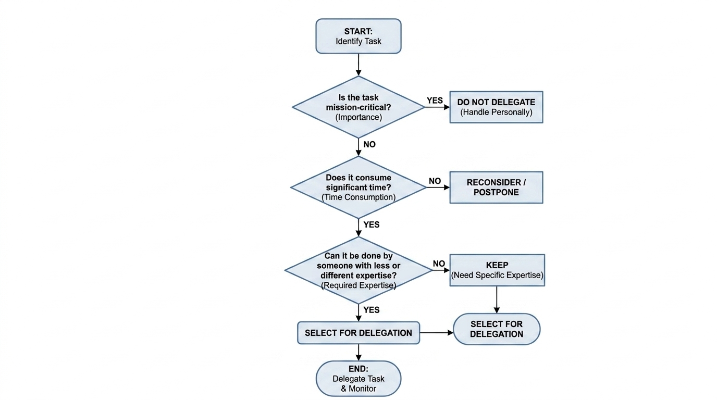
To accurately assess workloads and identify which tasks are suitable for delegation, businesses should consider a few critical criteria. Begin by evaluating the value associated with each task: prioritize high-impact projects that directly support business objectives. Then, scrutinize time consumption—tasks that consume significant time with minimal returns should be prime candidates for delegation. Furthermore, analyze the expertise necessary for each task: those that lie outside core business competencies or projects that could benefit from specialized knowledge are ideal candidates for virtual assistance. By focusing on these elements, businesses can enhance efficiency and productivity through thoughtful delegation strategies.

How to Choose the Right Virtual Assistant Service
When evaluating potential virtual assistants, several key criteria should be assessed to determine their suitability. Inspect their skills and credentials, ensuring alignment with your specific operational needs. Confirm their familiarity with relevant tools and processes. Availability is vital; verify they can commit to the hours you require. As confidentiality is of utmost importance, evaluate their comprehension of data protection practices. Additionally, seek feedback from past references to gain insights into their reliability and work ethic. During interviews, ask scenario-based questions to evaluate problem-solving abilities and clarify expectations. Considering practical assessments to validate their skills is wise, promoting a mutual fit crucial for collaborative success.
How to Manage and Work Effectively With a Virtual Assistant
Establishing a well-structured onboarding process is essential for virtual assistants to cultivate a solid understanding of company protocols and expectations. This initial step minimizes possible confusion and maximally positions them for success. Alongside this, enacting robust security measures is critical in safeguarding sensitive data from potential breaches. Best practices include employing encrypted communication channels and secure password management systems. Furthermore, performance management ought to be a continuous effort, incorporating regular feedback and assessment tools to track contributions. This ongoing evaluation not only enhances the assistant’s efficacy but also aligns their efforts with the dynamic needs of the business, nurturing a productive partnership.
Choosing the Right Virtual Assistant: A Selection Checklist
In summary, the strategic use of virtual assistant services can play a vital role in boosting productivity and operational efficiency across businesses. These services provide cost-effectiveness, flexibility, and access to specialized skills that can profoundly benefit organizations, regardless of size. When selecting a virtual assistant, it's crucial to evaluate factors such as the assistant’s skills, relevant experience, and overall compatibility with your business objectives.
Selection Checklist:
- Evaluate required skills and expertise
- Review prior experience and client feedback
- Assess communication styles and work ethic
- Determine availability and flexibility
- Confirm alignment with your business culture and goals
By utilizing this checklist, you can make informed decisions when engaging a virtual assistant.